CSU Predicts Below-Normal Atlantic Hurricane Season
Treasure Coast officials urge residents in Martin, St. Lucie and Indian River counties to maintain storm preparations, as one landfalling hurricane could still devastate the region.

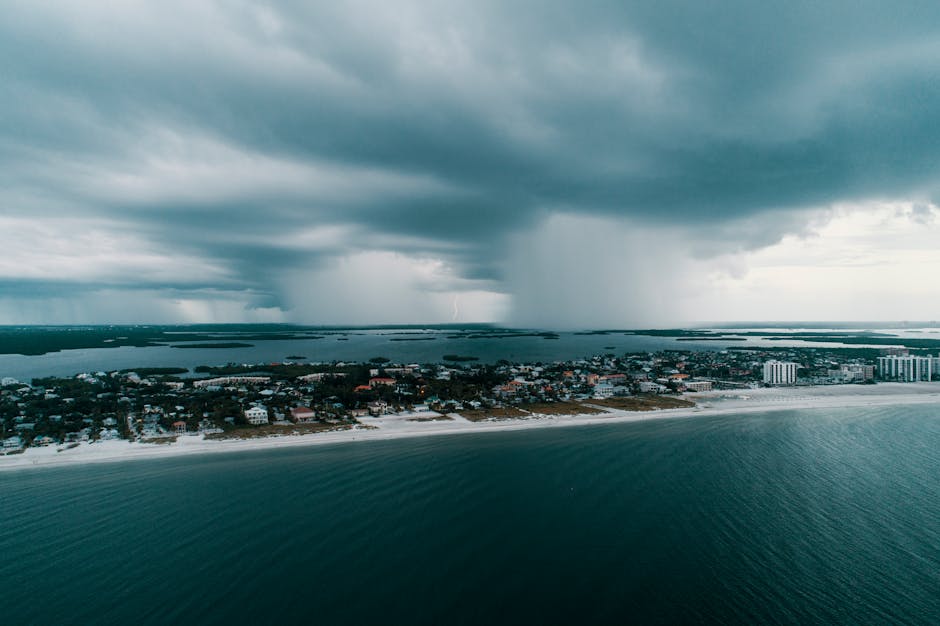
Colorado State University researchers Thursday projected a "somewhat below-normal" Atlantic hurricane season, offering cautious relief for coastal communities. But meteorologists and emergency managers consistently warn that a single landfalling storm can rewrite any season's legacy.
CSU's Tropical Weather and Climate Research team issued the forecast without including specific named-storm or major-hurricane counts in the summary available Thursday. The university did not immediately respond to requests for elaboration on the underlying methodology or probability ranges driving the below-normal call.
For the roughly 500,000 residents of Martin, St. Lucie and Indian River counties — all within FEMA-designated high-risk coastal flood zones — the projection carries real but limited comfort. The Treasure Coast's geography, with its shallow barrier islands, vulnerable Indian River Lagoon estuary and miles of low-elevation waterfront, means even a Category 1 hurricane making landfall at the wrong angle can produce catastrophic storm surge. St. Lucie County alone carries more than $3 billion in flood insurance exposure, FEMA records show.
CSU's seasonal outlooks rank among the most closely watched in the industry, with a track record stretching back to the 1980s. The team factors in sea surface temperatures, atmospheric pressure patterns, wind shear and El Niño or La Niña conditions. A below-normal forecast typically reflects cooler-than-average Atlantic waters or elevated wind shear that disrupts storm development — conditions that suppress activity on average but do not eliminate the threat to any specific coastline.
Emergency managers in Martin County have repeatedly noted that 1992's Hurricane Andrew was part of a below-normal season, as was 2012, the year Superstorm Sandy devastated the Northeast.
The Atlantic hurricane season runs June 1 through Nov. 30. FEMA and the National Hurricane Center recommend that all residents in flood-prone areas complete their preparedness plans — including evacuation routes and insurance reviews — before June 1, regardless of seasonal outlooks.
This article was generated with AI assistance using publicly available information. It was reviewed and approved by a human editor before publication. TC Sentinel uses AI writing tools in accordance with FTC guidelines.
Stay informed. Subscribe free.
Get the Treasure Coast's daily briefing in your inbox every morning.
Got a Tip?
See something newsworthy? Help us cover the Treasure Coast.
Your identity is never published without your permission.

Reader Comments
Leave a Comment