Artemis II Astronauts Splash Down After Moon Flyby, Testing Heat Shield
Kennedy Space Center teams in Florida celebrate as NASA's Orion capsule returns four crew members safely, enduring 2,700-degree reentry heat on April 10, 2026.

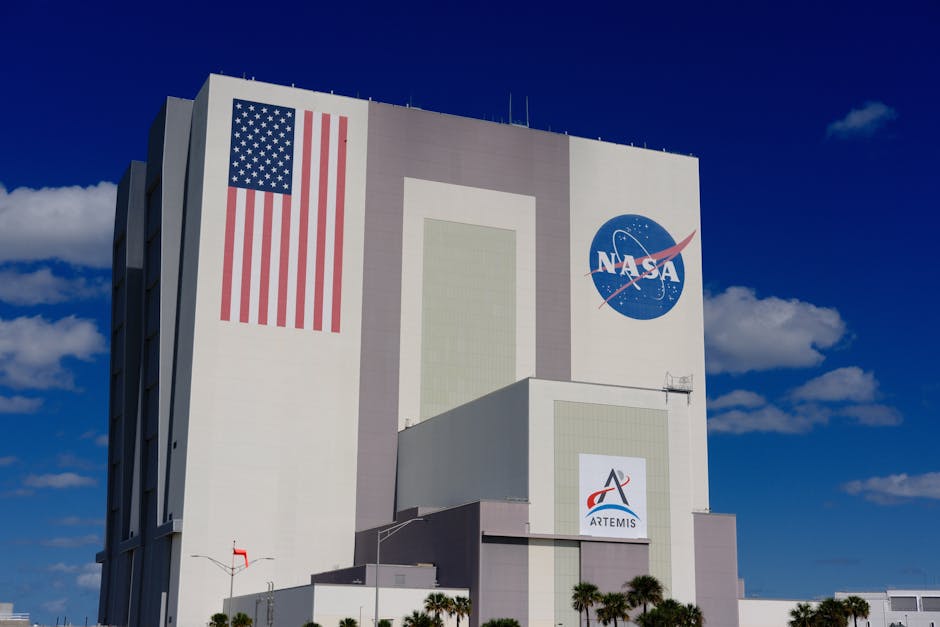
Four NASA astronauts plunged back to Earth aboard the Orion spacecraft Thursday, completing the Artemis II lunar flyby mission and marking the first time humans have traveled around the moon in more than five decades.
Splashdown occurred April 10, 2026, capping a mission that sent the crew farther from Earth than any humans since the Apollo era. The return brought the craft screaming through the atmosphere at several times the speed of sound, with temperatures at the spacecraft's surface reaching approximately 2,700 degrees Fahrenheit — hot enough to test every engineering decision NASA has made over the past four years.
For Florida's Space Coast, roughly 60 miles north of the Treasure Coast, the mission's return closes a chapter that began at Kennedy Space Center and will define the next phase of American deep-space exploration. KSC serves as the launch and operations hub for the entire Artemis program, and thousands of contractors, engineers and support personnel across Brevard, Indian River and surrounding counties are directly tied to its success.
The heat shield at the center of Thursday's drama had already raised alarms. During the uncrewed Artemis I flight, the shield sustained more damage than engineers anticipated, prompting years of investigation. The findings forced teams to chart an entirely new reentry trajectory for Artemis II — a change designed to manage heat distribution across the shield's surface more precisely, officials said.
The physics of splashdown are unforgiving. Even with parachutes — NASA uses multiple chutes with diameters exceeding 100 feet, deploying when velocity drops below roughly 2,300 feet per second — the spacecraft cannot decelerate fully before impact. Water absorbs the remaining shock, its relatively low viscosity and density making it far more forgiving than land, according to aerospace engineering research on reentry mechanics.
The mission follows a lineage stretching back to July 21, 1961, when astronaut Gus Grissom nearly drowned after his Liberty Bell 7 capsule hatch blew prematurely following a suborbital splashdown in the Atlantic — a reminder that the final minutes of a spaceflight carry their own distinct dangers.
SpaceX's Dragon capsule program has logged seven consecutive flawless splashdowns since 2021, validating water recovery as the dominant return method for the current era of human spaceflight. NASA has not confirmed a specific next launch date for Artemis III, the planned lunar landing mission.
This article was generated with AI assistance using publicly available information. It was reviewed and approved by a human editor before publication. TC Sentinel uses AI writing tools in accordance with FTC guidelines.
Stay informed. Subscribe free.
Get the Treasure Coast's daily briefing in your inbox every morning.
Got a Tip?
See something newsworthy? Help us cover the Treasure Coast.
Your identity is never published without your permission.

Reader Comments
Leave a Comment