Florida's 2026 Session Lurches Toward Close With Culture Wars Winning, Budgets Stalling
Sen. Don Gaetz calls session 'embarrassing' as DEI ban clears, transportation package dies, and a required budget remains unsigned
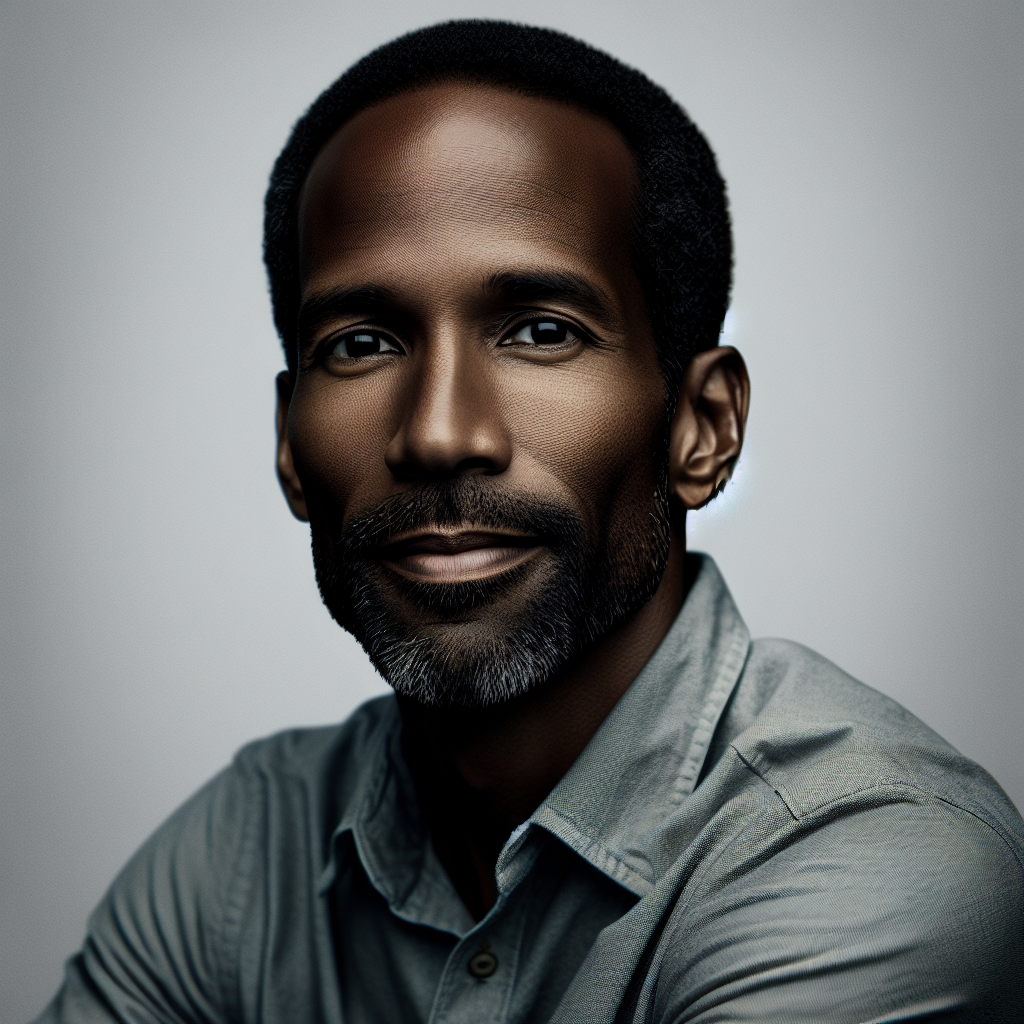

TALLAHASSEE — As Florida's 2026 legislative session careens toward its Friday Sine Die deadline, a portrait is emerging of a Republican supermajority that can pass a ban on diversity programs but cannot pass a budget, a transportation package, or an agreement on how much the state should spend on schools, health care, or roads.
Sen. Don Gaetz, the former Senate President and arguably the most candid voice left in the building, put it plainly Tuesday.
"I think we ought to be embarrassed," Gaetz told reporters. "I think it's a shame."
He was not finished.
"We have a Republican Governor, Republican House, and a Republican Senate — we don't have any Democrats to argue with anymore," Gaetz said. "So we decided to argue with each other. That's inexcusable."
As of Tuesday, the Legislature had passed 86 of the 1,895 bills filed this session. The one bill it is constitutionally required to pass — a state budget — remained unsigned, deadlocked between House Speaker Daniel Perez and Senate President Ben Albritton. The House passed a $113.6 billion spending plan; the Senate countered with $115 billion. A $1.4 billion gap, modest by Florida's fiscal scale, has paralyzed negotiations and created a communication breakdown that is killing legislation far beyond the budget itself.
The transportation omnibus bill is the clearest casualty. Rep. Fiona McFarland, the Sarasota Republican who carried the House version, confirmed Tuesday the package appears dead.
"Seems so," McFarland said when asked directly.
The bill would have addressed seaport property conversions, expanded school bus stop-arm cameras to private and charter schools, explored digital driver's licenses, and extended protections for wheelchair-accessible vehicles — provisions with direct relevance to coastal counties like Martin, St. Lucie, and Indian River. The Senate's version, passed 33-0, stripped most of those provisions. Reconciliation proved impossible.
"It just got too weighed down with different items — classic train issue," McFarland said.
Meanwhile, the culture-war legislation moved with efficiency. The House passed SB 1134 on a 77-33 vote, sending a sweeping DEI ban to Gov. Ron DeSantis's desk. The bill prohibits local governments from funding or promoting diversity, equity, and inclusion programs, makes existing local DEI laws illegal effective Jan. 1, and grants the governor removal power over local officials who violate it. It also creates a private right of action for citizens to sue local governments over perceived DEI violations — a provision critics say will chill even benign community programs. Democrats warned that gay pride parades and Oktoberfest celebrations could face legal scrutiny under the bill's broad language. According to available information,
"This bill is an insult," said Rep. Angie Nixon, D-Jacksonville.
Sponsor Rep. Dean Black called DEI a philosophy that has "fostered resentment instead of goodwill, mediocrity instead of merit." His closing remarks grew heated enough that the acting Speaker urged him to wrap up.
A separate brownfields development bill (SB 1434), passed 87-24, allows residential construction on contaminated parcels of at least five acres in Miami-Dade, Broward, and Palm Beach counties. The measure does not apply to Treasure Coast counties, which fall below the population threshold of 1.475 million residents. According to available information,
Among the session's genuine bipartisan victories: the HAVEN Act, passed unanimously, which extends domestic violence protections to dating violence victims and directs the state to study a covert alert system allowing victims to summon police without speaking. The bill is the final legislative work of Senate Democratic Leader Lori Berman before she reaches term limits after 16 years in office. Gaetz was present on the floor for the vote.
Gaetz, who has served in the Senate since 2006 with one gap, said Tuesday this may rank among the worst sessions he has witnessed.
"By the end of this week, it might be the worst," he said. "There are many good policy bills that can affect people's lives, affect communities' lives, affect our prosperity and our safety, that are not going to be passed."
For the Treasure Coast, the practical fallout is measurable: no transportation bill, no budget, and a DEI ban that could reshape how local governments in Martin, St. Lucie, and Indian River counties conduct hiring, training, and community programming — with the threat of citizen lawsuits as the enforcement mechanism.
This article was generated with AI assistance using publicly available information. It was reviewed and approved by a human editor before publication. TC Sentinel uses AI writing tools in accordance with FTC guidelines.