Florida Executes Fort Pierce Cop Killer as State Sets Unprecedented Record in 2025
Billy Leon Kearse, 53, put to death for 1991 slaying of Sgt. Danny Parrish — as Florida's 19 executions this year surpass Texas, Alabama and South Carolina combined
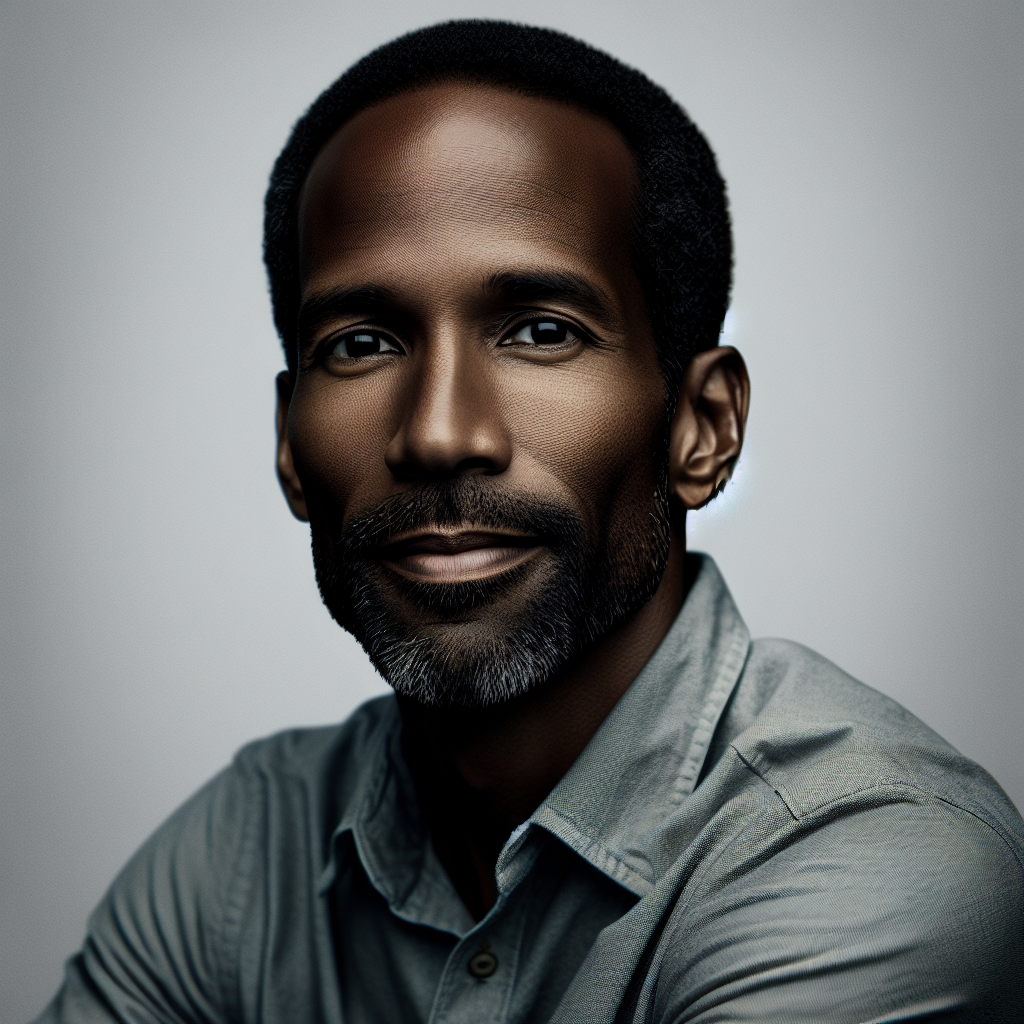

Billy Leon Kearse was pronounced dead at 6:24 p.m. Tuesday at Florida State Prison, closing a 35-year chapter for the family of Fort Pierce Police Sgt. Danny Parrish — and marking another grim milestone in a year that has turned Florida into the nation's most active execution chamber.
Kearse, 53, was executed by lethal injection for the 1991 shooting of Parrish during a traffic stop. He was 18 years old when the killing occurred. Parrish's widow, who has waited more than three decades for the sentence to be carried out, said the execution was about one thing: "This is about justice for Danny," she said, according to WPBF.
In his final statement, Kearse asked the Parrish family for forgiveness. Friends who visited him in the days before his execution described a man transformed by decades on death row.
"He's not the person that he was," said Susan Kaspari, a friend who traveled to Florida after Kearse's death warrant was signed. "He's barely 18 when this crime occurred, and he, during that time, has developed a very deep faith."
But the execution is more than a local story. It is the third carried out in Florida this year, and two more are already scheduled this month alone. According to WPTV, Florida executed 19 people in 2025 — more than Texas, Alabama, and South Carolina combined, and more than double the state's previous annual record According to available information,.
Gov. Ron DeSantis has defended the pace, saying he is "doing his part to deliver justice to victims' families."
Critics say the unprecedented tempo has exposed systemic problems. Court filings allege the use of expired drugs, incorrect dosages, and in at least one case, a drug injected into soft tissue rather than a vein. U.S. Supreme Court Justice Sonia Sotomayor wrote that she was "deeply troubled" by the allegations.
The financial cost is staggering. Each execution costs Florida taxpayers an estimated $24 million, driven largely by decades of litigation. Defense attorney Daniel Eisenger, who has worked capital cases in Florida, said the expense is inherent to the process.
"The litigation that goes on, the work that has to happen in a courtroom — that's all very, very expensive," Eisenger said.
Kearse endured 17 appeals over 35 years before his warrant was signed.
Adding urgency to the debate: Florida leads the nation in death row exonerations, with 30 people sentenced to death later cleared and freed.
"That's 30 innocent people who were either sentenced to be executed or sentenced to death who should not have been," Eisenger said.
Grace Hanna, executive director of Floridians for Alternatives to the Death Penalty, argued that Kearse's case reflected systemic failures that predate the crime itself.
"This was a crime that could have been warded off through better social services, better access to education, better health care, better community resources," Hanna said.
For Sgt. Parrish's widow, none of that context erases what happened on a Fort Pierce street 34 years ago. For Florida's policymakers, the questions raised by 2025's record pace — about cost, accuracy, and procedure — are only beginning to be answered.
This article was generated with AI assistance using publicly available information. It was reviewed and approved by a human editor before publication. TC Sentinel uses AI writing tools in accordance with FTC guidelines.